• NATURAL RESOURCE MANAGEMENT STRATEGY FOR THE NORTHERN AGRICULTURAL REGION OF WESTERN AUSTRALIA
narvis web logo 1
  • Home
  • NRM Strategy
    • NRM Strategy
    • The Consultation Process
    • Roles & Responsibilities
    • Federal NRM Outcomes and Priorities
    • State NRM Framework Priorities
    • The NAR Asset Register
  • The Region
    • Dashboard
    • Aboriginal Custodianship
    • Biodiversity Conservation
    • Climate Change
    • Coastal & Marine
    • Community Capacity
    • Invasive Species
    • Sustainable Agriculture
    • Water
    • Shire Profiles
  • NRM Goals
    • Dashboard
    • Aboriginal Custodianship
    • Biodiversity Conservation
    • Climate Change
    • Coastal & Marine
    • Community Capacity
    • Invasive Species
    • Sustainable Agriculture
    • Water
  • Report Card
    • Dashboard
    • Aboriginal Custodianship
    • Biodiversity Conservation
    • Climate Change
    • Coastal & Marine
    • Community Capacity
    • Invasive Species
    • Sustainable Agriculture
    • Water
  • Resources
    • Grant Writing
    • News
    • Project Case Studies
    • References
  • Get Involved
    • Map Your Project
    • Share Your Project
    • Join a local NRM Group
    • Submit your NRM Group
    • Contact Us

Turquoise Coast Regional Forum Connects a Community in Action

  • September 29, 2026

On Friday 4th of September, the Turquoise Coast Regional Forum made a triumphant return to once again enchant and educate the Northern Agricultural Region’s keen coastal community!

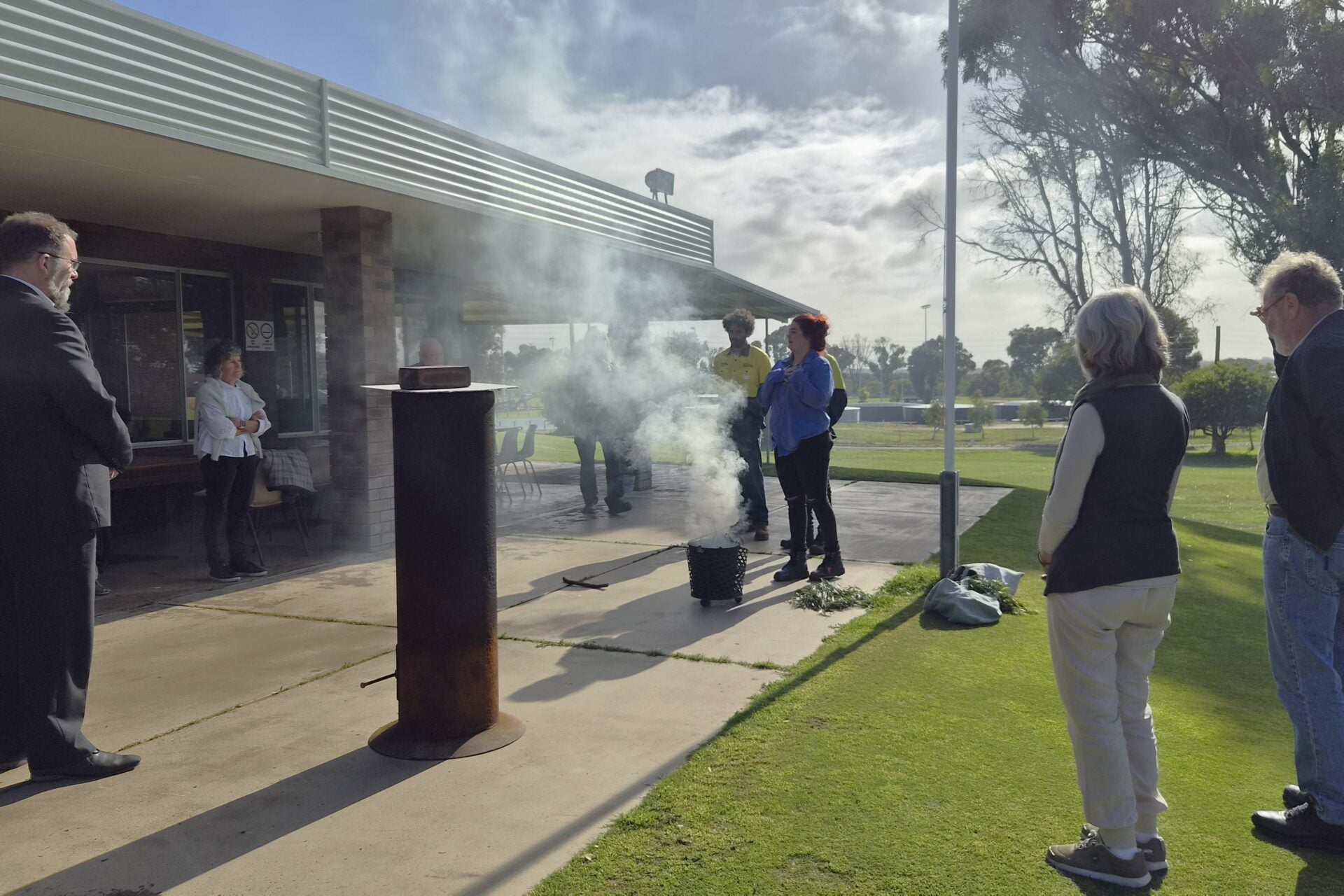
Hosted by the Jurien Bay Regional Herbarium Group at the Jurien Bay Country Golf Club, attendees were greeted by blue skies and a smoking ceremony and Acknowledgement of Country delivered by Skye Shaw and Rangers of Kwelena Mambakort Aboriginal Corporation (KMAC).


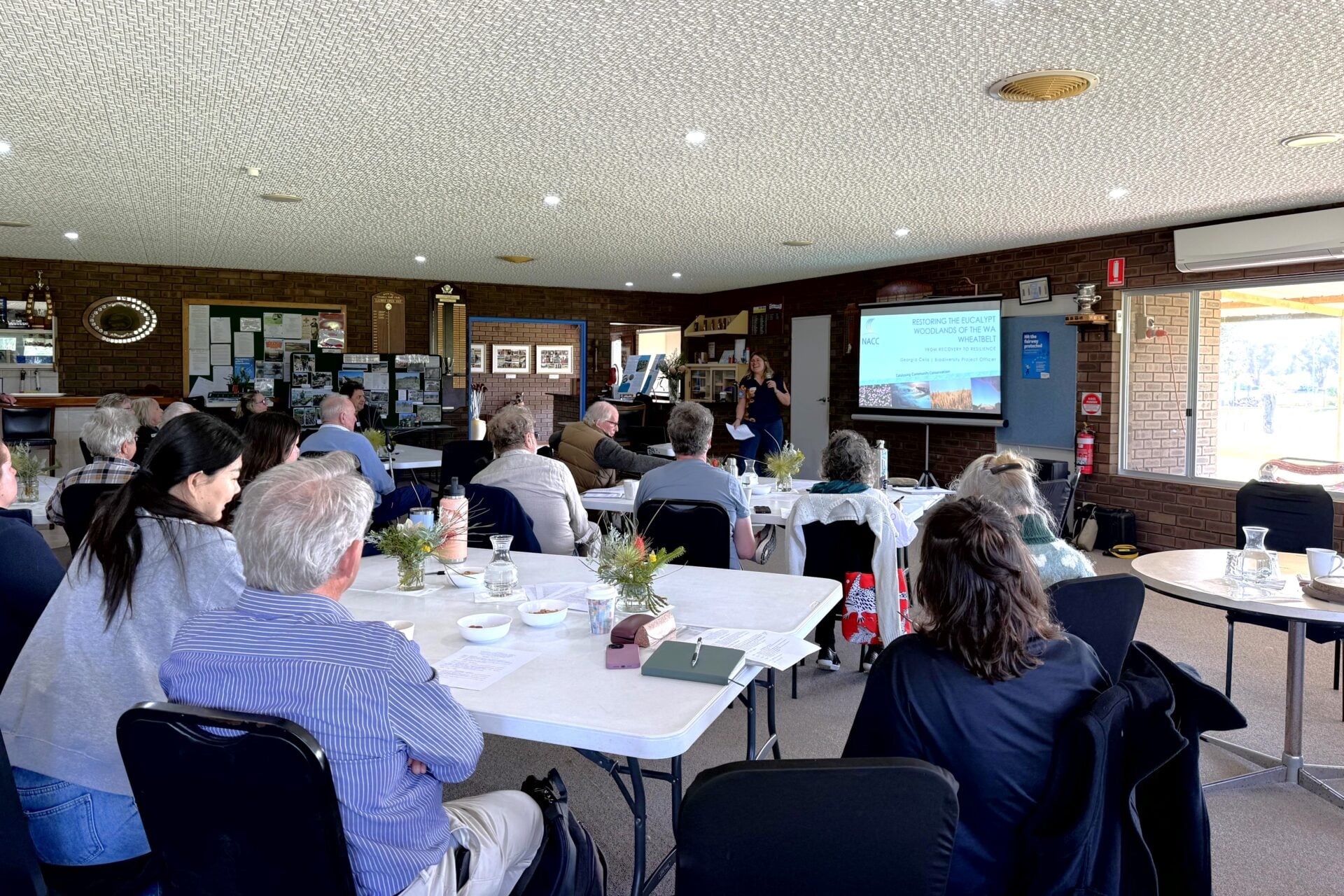
It was a jam-packed speaker schedule covering a broad range of topics that followed last year’s overarching themes of ‘Looking West’ and ‘Looking East’. Kicking off the day was a history of the Jurien Bay Herbarium from Ron Snook, who received life membership in recognition of his remarkable conservation efforts. The Shire of Dandaragan provided an update on the Coastal Recreational Tracks Management Master Plan before hearing from NACC NRM’s Biodiversity Project Officer, Georgia Cella, about the WA Wheatbelt Woodlands. This threatened ecological community (TEC) has been decimated by land clearing and is vulnerable to climate change, further clearing, altered fire regimes and invasive species. Continuing the agricultural theme, the Department of Primary Industries and Regional Development followed with a discussion about groundwater processes in the WA Wheatbelt, namely salinity. This talk highlighted the different properties of dense, clay-like soils compared to coarse, coastal sandplains, appealing to audience members with a farming background, and others, alike.


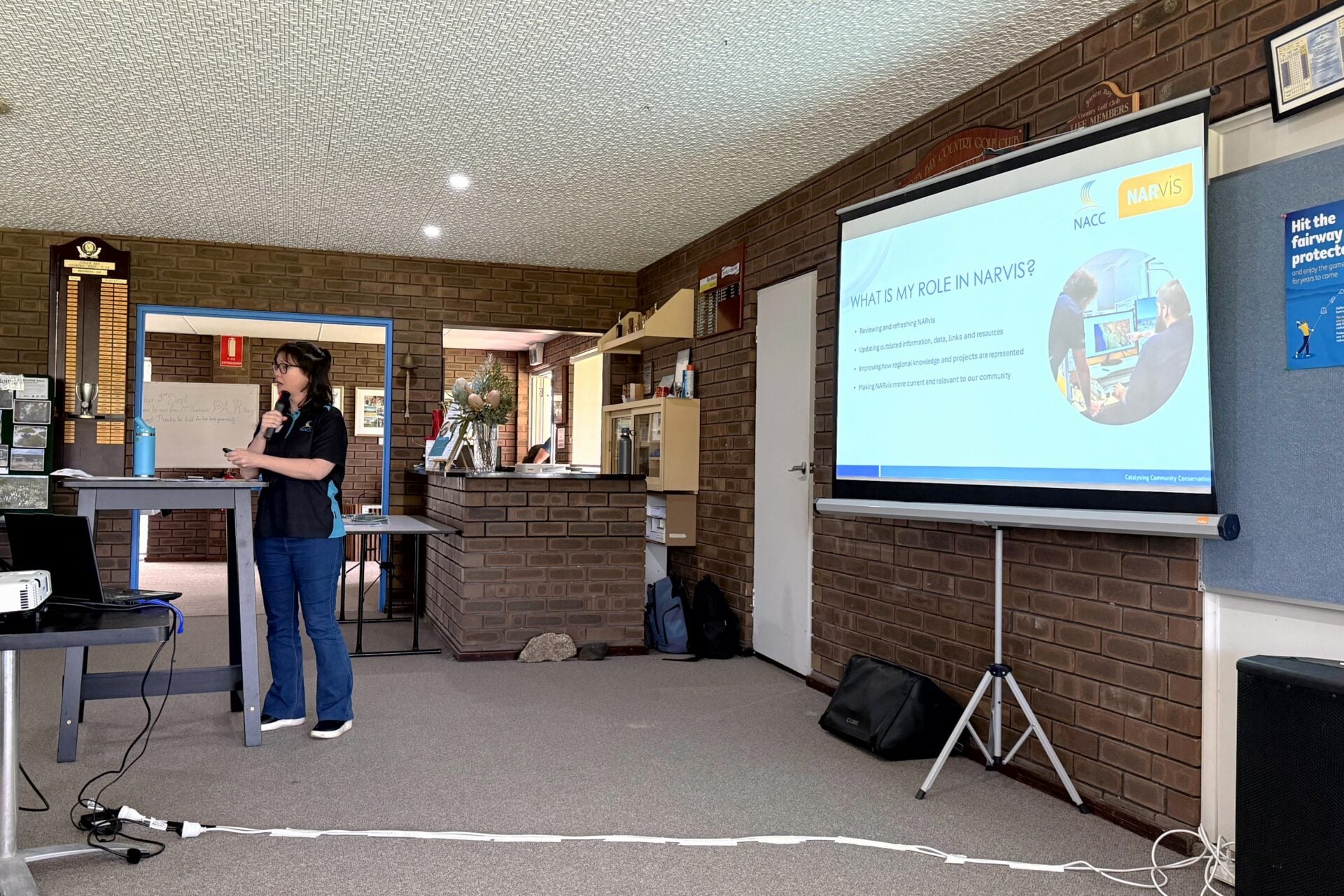
Veering back toward the coast, the group heard about the challenge of tackling Pyp Grass (Ehrharta villosa) on a changing coastline. Professors and researchers from the University of Western Australia wooed with the wonder of terrestrial, and marine, plants, celebrating the diversity of Hi Vallee Farm and strength of community in supporting seagrass re-establishment. Before lunch, community members were invited to complete a survey of their natural resource management priorities, as part of an update to NACC NRM’s regional strategy, NARvis – you can find the form here and have your say.

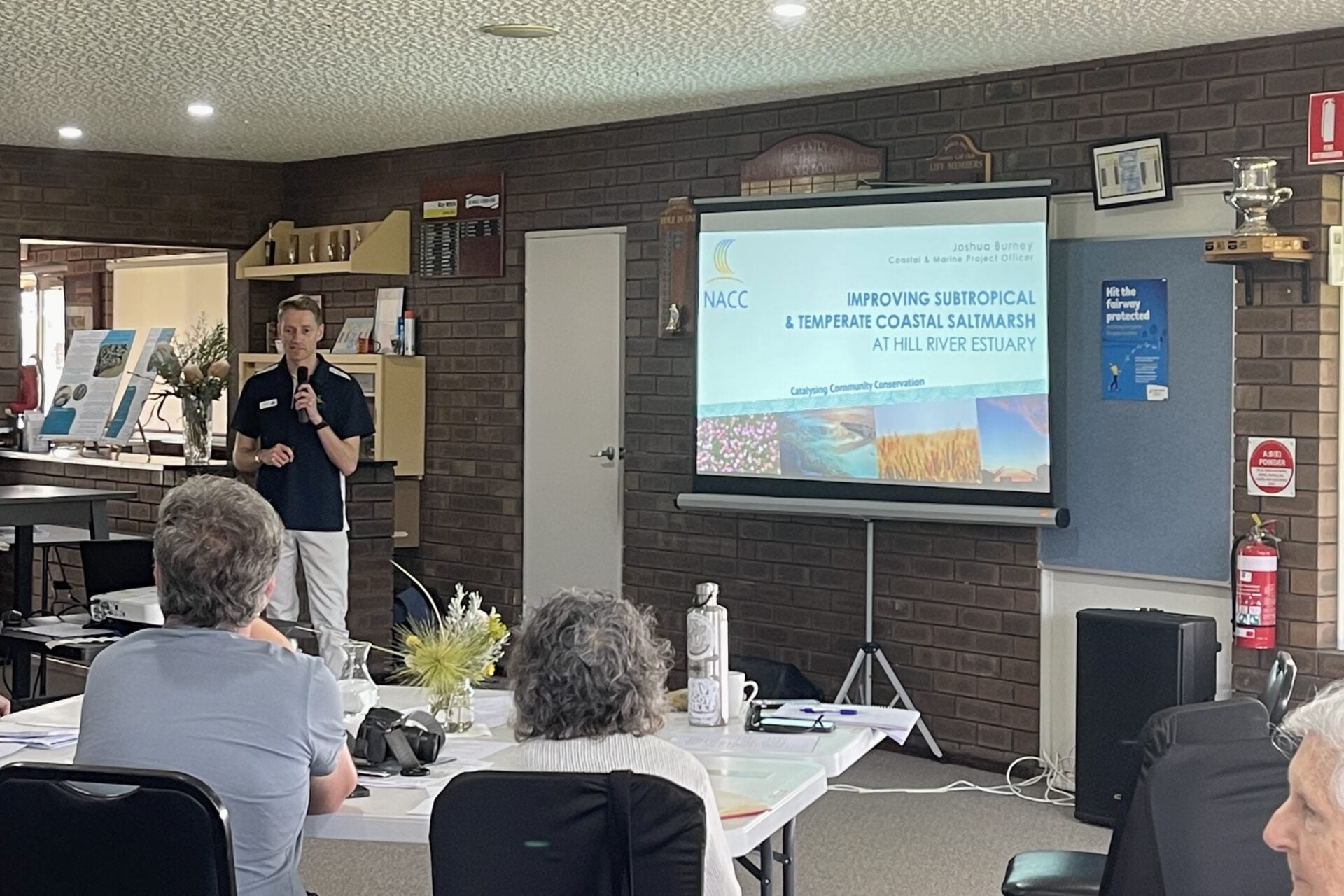
Following lunch and lively discussion, the power of plants remained front of mind, specifically, the ability of WA’s native species to thrive in extremely impoverished soil conditions. Keeping the plant conversation going, NACC NRM’s Coastal and Marine Project Officer, Josh Burney, spoke about weed species impacting Coastal Saltmarsh TEC at nearby Hill River estuary. KMAC Rangers have been contracted to treat weeds at the site multiple times with follow-up site assessments revealing positive results. Presentations finished on a sombre, yet informative, talk about H5N1 bird flu. Attendees learnt where and when this highly pathogenic strain of bird flu originated, how it is currently impacting Australian birds, and how it may impact other Australian species, including mammals. If you come across any sick or dead wildlife, remember:

  • Avoid contact with sick or dead wildlife (including the surrounding area)
  • Record what you see, the location and take photos/videos from a distance
  • Report to the Emergency Animal Disease Hotline on 1800 675 888

Events such as these are valuable reminders of the power of community in coming together to conserve our region’s precious coastal environments. No matter your interest or background, there is a plant or animal to study, ecosystem to immerse yourself in or environmental issue to tackle. The strength and resilience of coastal communities within the NAR continues to drive a wave of inspirational actions – NACC NRM is excited to see the accomplishments of community-led conservation that float to the surface!

This project is jointly funded by the Australian Government Natural Heritage Trust and NACC NRM, a member of the Commonwealth Regional Delivery Partners panel. 

The post Turquoise Coast Regional Forum Connects a Community in Action appeared first on NACC.

PrevPreviousTalking Woodlands & Wildflowers at the Outback Bloom Festival
NextField Days, Farm Gates and a Few Good IdeasNext

We respectfully acknowledge the Yamatji and Noongar who are the Traditional Owners and original natural resource managers of the Northern Agricultural Region, and pay our respect to the Aboriginal Elders in the region, past, present and emerging.

cropped narvis web logo 1

About NARvis

  • Strategy Documents
  • Consultation process
  • Roles & Responsibilities
  • Federal NRM Priorities
  • State NRM Priorities
  • NAR Asset Register

Get Involved

  • Contact Us
  • Join a local NRM Group
  • Map Your Project
  • Share your project
  • Shire Profiles

Resources

  • Grant Writing Tips
  • Latest News
  • Project Case Studies
  • References

This project is supported by NACC NRM, through funding from the Australian Government

australiangov Logo Black
NACC Logo 2019 horizontal for use

© 2021-2026 NACC All rights reserved  |  Sitemap

Website By Scoop Logo

Acknowledgment of Country

We respectfully acknowledge the Yamaji and Noongar people who are the Traditional Owners and original natural resource managers of the Northern Agricultural Region and pay our respect to all of the Aboriginal Elders and leaders in the region, past, present and emerging

“Bandang jinangij ngala nyoongar boodja danjoo.” All people looking after Country together (Noongar).

“Barndi nhurra nganjungu barnagi yanayinha.” It is good that you come to our Country (Yamaji Wajarri).

Enter the site
Water On Badimaya Barna
Water On Badimaya Barna - Barbara Merritt