• NATURAL RESOURCE MANAGEMENT STRATEGY FOR THE NORTHERN AGRICULTURAL REGION OF WESTERN AUSTRALIA
narvis web logo 1
  • Home
  • NRM Strategy
    • NRM Strategy
    • The Consultation Process
    • Roles & Responsibilities
    • Federal NRM Outcomes and Priorities
    • State NRM Framework Priorities
    • The NAR Asset Register
  • Background Info
    • Dashboard
    • Aboriginal Custodianship
    • Biodiversity Conservation
    • Climate Change
    • Coastal & Marine
    • Community Capacity
    • Invasive Species
    • Sustainable Agriculture
    • Water
    • Shire Profiles
  • NRM Goals
    • Dashboard
    • Aboriginal Custodianship
    • Biodiversity Conservation
    • Climate Change
    • Coastal & Marine
    • Community Capacity
    • Invasive Species
    • Sustainable Agriculture
    • Water
  • Report Card
    • Dashboard
    • Aboriginal Custodianship
    • Biodiversity Conservation
    • Climate Change
    • Coastal & Marine
    • Community Capacity
    • Invasive Species
    • Sustainable Agriculture
    • Water
  • Resources
    • Grant Writing
    • News
    • Project Case Studies
    • References
  • Get Involved
    • Map Your Project
    • Share Your Project
    • Join a local NRM Group
    • Submit your NRM Group
    • Contact Us

Learning More on the Shore

  • October 30, 2026

From beach clean-ups to plant identification, NACC NRM’s Coastal and Marine team has been helping local students discover the importance of our coastal environments and the threats they face.

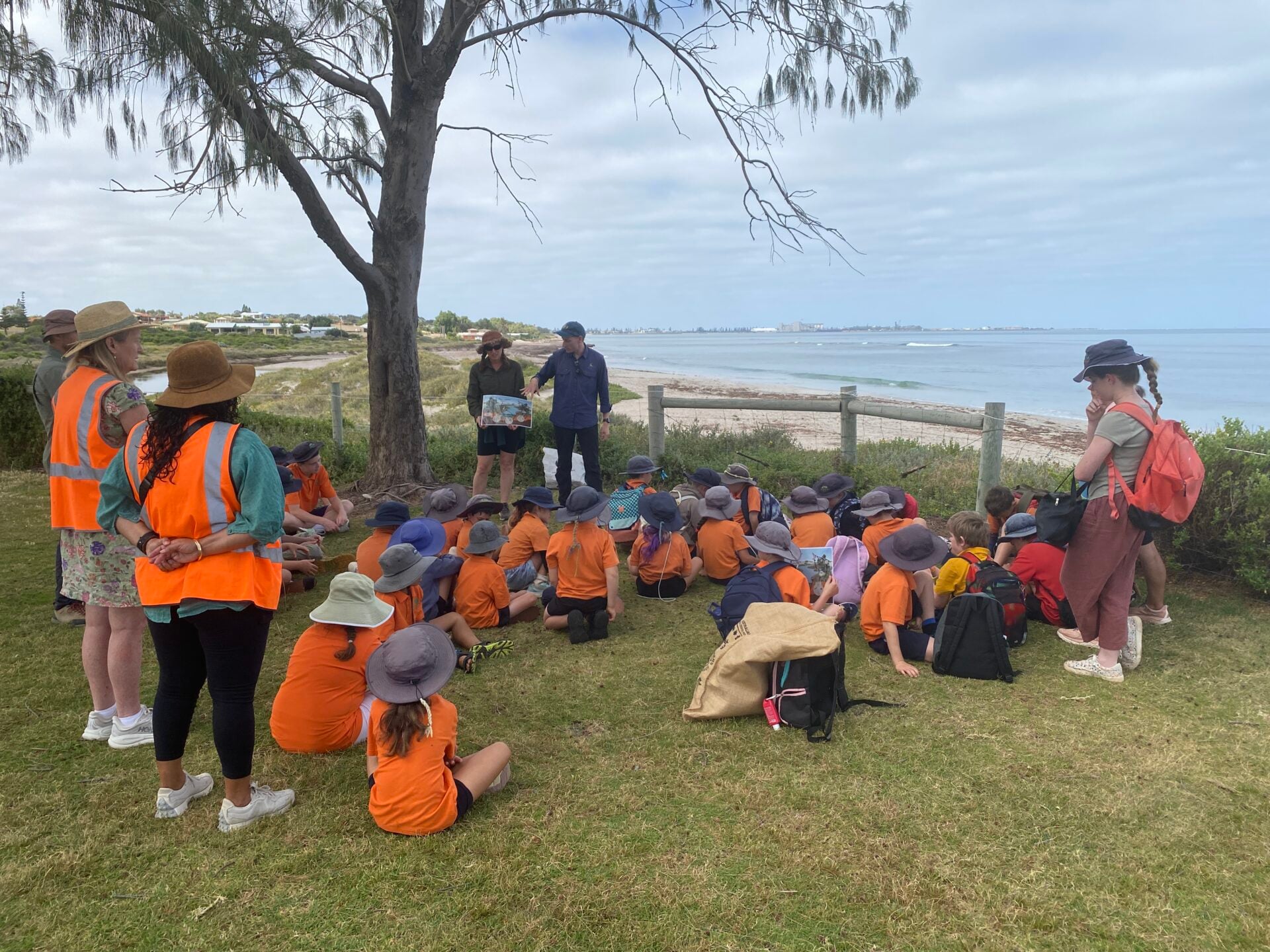
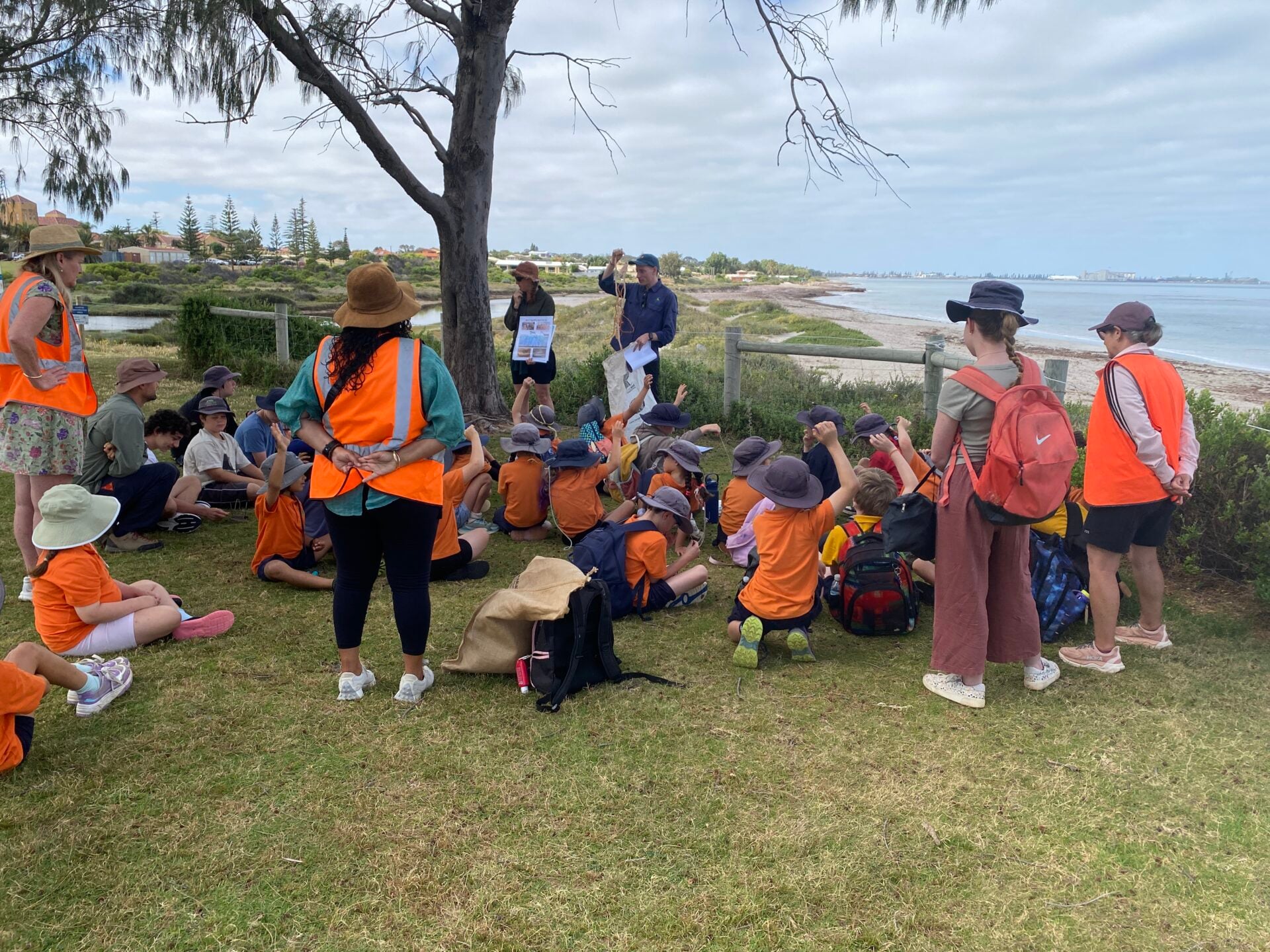
On 16 October, NACC NRM’s Coastal and Marine Project Officer Joshua Burney, and work experience student Genevieve Rusch visited the Chapman River mouth to deliver an educational presentation for Leaning Tree Steiner School’s beach clean-up day.

Using props such as fishing floats, discarded ropes and plastic waste, the pair explored the impacts of pollution on coastal saltmarsh ecosystems and the wildlife that depend on them.

Saltmarsh areas are productive coastal wetlands that are regularly inundated by seawater. They provide important habitat for a diverse range of wildlife, including birds, fish and crabs, while also helping to filter water, store carbon and prevent erosion.

Plastic pollution poses a significant threat to these valuable ecosystems. Items such as bottles, bags, food packaging and discarded fishing equipment can enter waterways and accumulate in coastal environments, where they can remain for many years. Wildlife may ingest plastic or become entangled in discarded items, causing serious injury or death.

Meanwhile, Alice Bishop from BirdLife Midwest-Geraldton spoke with another group of students as they began their clean-up at St George’s Beach. Her presentation highlighted the incredible diversity of shorebirds and seabirds that inhabit our coastline, as well as the impacts pollution can have on their populations.


The following week, Josh headed south to join students from Dongara District High School for an educational walk along the Irwin River estuary.

The excursion began with a discussion about the importance of the Threatened Ecological Community (TEC) of Subtropical and Temperate Coastal Saltmarsh found along the estuary. Students then set off in groups, with just under 50 participants equipped with checklists to help them identify native plants and weeds growing throughout the saltmarsh.

Along the way, students explored the role plants play in coastal ecosystems and learnt more about the threats facing these environments. They also discovered that a weed is not necessarily a bad plant in itself; rather, it is a plant growing somewhere it is not wanted. This distinction is particularly important in coastal saltmarshes, where weeds are a recognised threat to the health of the ecosystem.

Whether exploring the impacts of plastic pollution or learning to identify native plants and weeds, these excursions gave students a closer look at the coastal environments in their own backyard.

By building awareness of the value of saltmarshes and the challenges they face, we can help inspire the next generation of environmental stewards. Simple actions such as reducing waste, disposing of rubbish responsibly, recycling and taking part in community clean-ups can all contribute to healthier coastal environments.

Protecting our saltmarshes means protecting the wildlife, natural processes and coastal communities that depend on them.

This project is jointly funded by the Australian Government Natural Heritage Trust and NACC NRM, a member of the Commonwealth Regional Delivery Partners panel.

The post Learning More on the Shore appeared first on NACC.

PrevPreviousAustralia’s SAFs Side by Side

We respectfully acknowledge the Yamatji and Noongar who are the Traditional Owners and original natural resource managers of the Northern Agricultural Region, and pay our respect to the Aboriginal Elders in the region, past, present and emerging.

cropped narvis web logo 1

About NARvis

  • Strategy Documents
  • Consultation process
  • Roles & Responsibilities
  • Federal NRM Priorities
  • State NRM Priorities
  • NAR Asset Register

Get Involved

  • Contact Us
  • Join a local NRM Group
  • Map Your Project
  • Share your project
  • Shire Profiles

Resources

  • Grant Writing Tips
  • Latest News
  • Project Case Studies
  • References

This project is supported by NACC NRM, through funding from the Australian Government

australiangov Logo Black
NACC Logo 2019 horizontal for use

© 2021-2026 NACC All rights reserved  |  Sitemap

Website By Scoop Logo

Acknowledgment of Country

We respectfully acknowledge the Yamaji and Noongar people who are the Traditional Owners and original natural resource managers of the Northern Agricultural Region and pay our respect to all of the Aboriginal Elders and leaders in the region, past, present and emerging

“Bandang jinangij ngala nyoongar boodja danjoo.” All people looking after Country together (Noongar).

“Barndi nhurra nganjungu barnagi yanayinha.” It is good that you come to our Country (Yamaji Wajarri).

Enter the site
Water On Badimaya Barna
Water On Badimaya Barna - Barbara Merritt