
• NATURAL RESOURCE MANAGEMENT STRATEGY FOR THE NORTHERN AGRICULTURAL REGION OF WESTERN AUSTRALIA
narvis web logo 1
  • Home
  • NRM Strategy
    • NRM Strategy
    • The Consultation Process
    • Roles & Responsibilities
    • Federal NRM Outcomes and Priorities
    • State NRM Framework Priorities
    • The NAR Asset Register
  • Background Info
    • Dashboard
    • Aboriginal Custodianship
    • Biodiversity Conservation
    • Climate Change
    • Coastal & Marine
    • Community Capacity
    • Invasive Species
    • Sustainable Agriculture
    • Water
    • Shire Profiles
  • NRM Goals
    • Dashboard
    • Aboriginal Custodianship
    • Biodiversity Conservation
    • Climate Change
    • Coastal & Marine
    • Community Capacity
    • Invasive Species
    • Sustainable Agriculture
    • Water
  • Report Card
    • Dashboard
    • Aboriginal Custodianship
    • Biodiversity Conservation
    • Climate Change
    • Coastal & Marine
    • Community Capacity
    • Invasive Species
    • Sustainable Agriculture
    • Water
  • Resources
    • Grant Writing
    • News
    • Project Case Studies
    • References
  • Get Involved
    • Map Your Project
    • Share Your Project
    • Join a local NRM Group
    • Submit your NRM Group
    • Contact Us

Irinyu, Awa, Wilu: Our Rivers, Our Water, Our Ocean

  • April 28, 2025

‘Awa’, meaning ‘water’ in Wilunyu language, has long played a critical role for Aboriginal people, not just for survival. Awa is a significant part of Aboriginal culture, identity, language and lore.

Awa traditionally provided language boundaries between different tribes and were also often sites of spiritual significance, used for gathering, and ceremonies. A lot of coastal tribal groups would meet at a preferred location, like a rivermouth.

In coastal regions, Aboriginal people have developed unique methods of fishing that use tools like fish traps, nets, and spears. These practices reflect a deep understanding of the ecosystems in which they live and an intimate relationship with the waters they depend on.

Beyond their spiritual significance, Irinyu (rivers) and Wilu (oceans) are vital sources of sustenance for Aboriginal people. For thousands of years, these bodies of water have provided food, medicine, and materials necessary for daily life. Rivers offer fish, freshwater, plants, and other natural resources, while the ocean can also provide freshwater holes, seafood, salt, and materials for tools and art. The knowledge of where and when to fish, hunt, and gather along rivers and coastlines is passed down through generations.
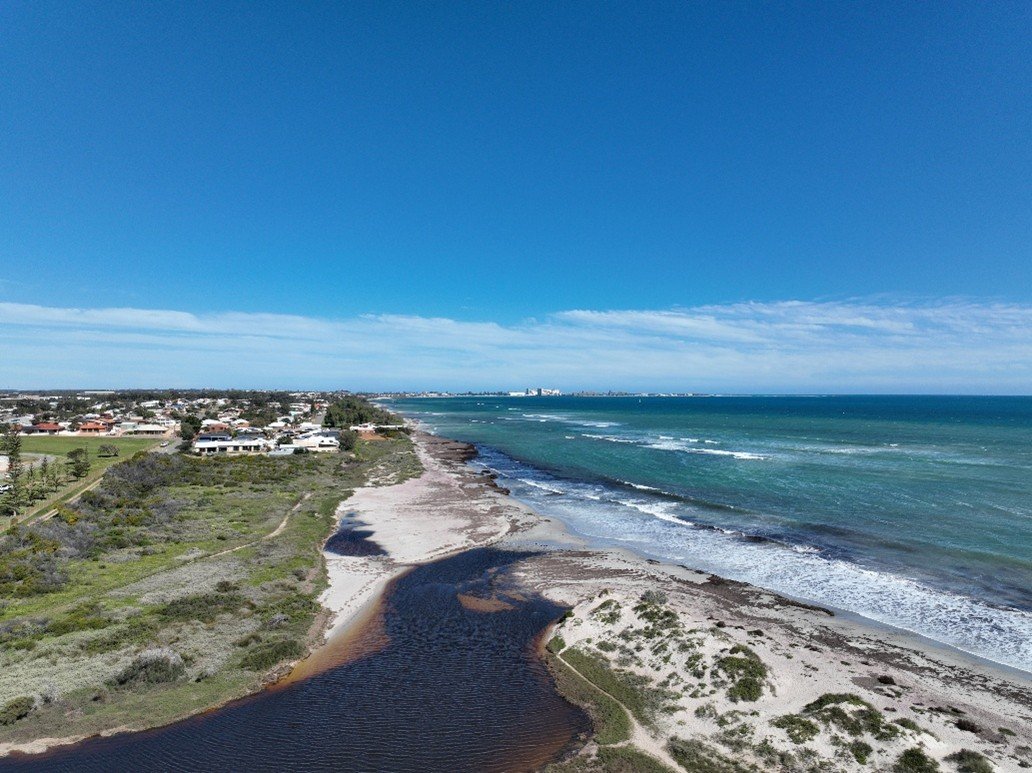
Chapman Rivermouth
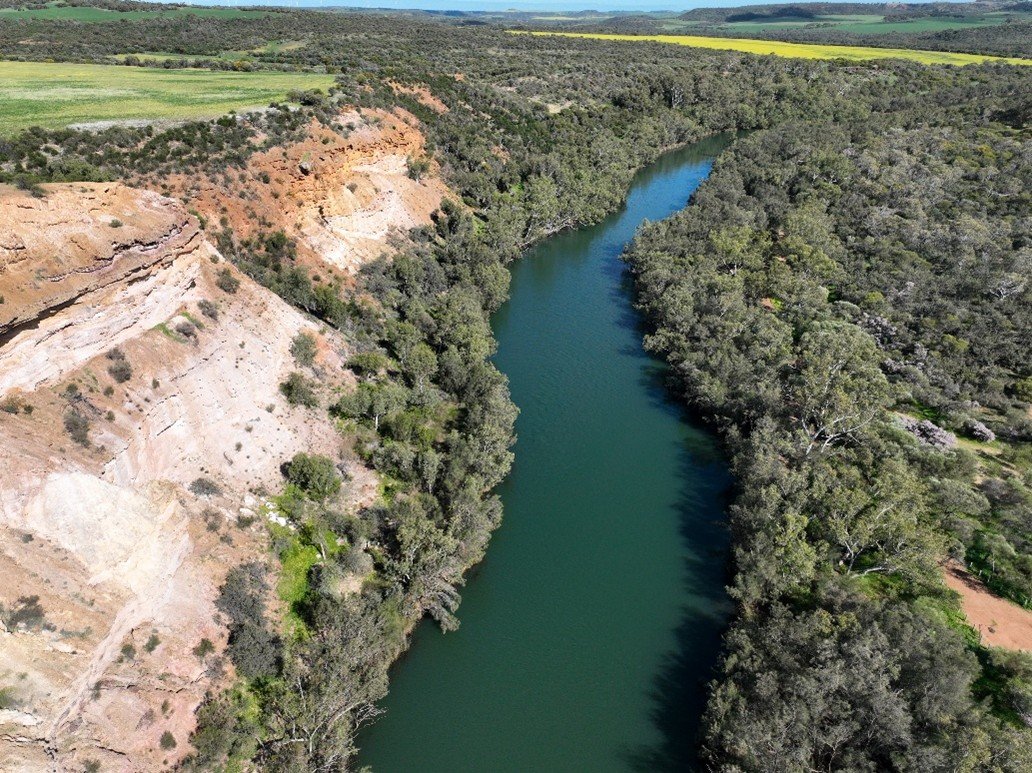
Ellendale Pool

For many Aboriginal peoples in Australia, the rivers and oceans are not just sources of water or natural resources; they are sacred, living entities that have shaped their cultures, beliefs, and ways of life for thousands of years. Rivers and oceans represent more than physical spaces; they are integral to the identity of Aboriginal communities, linking them to their ancestors, traditions, and the land. To understand the significance of these bodies of water would require exploring the spiritual, cultural, and practical roles they play in Aboriginal life.

Rivers and oceans hold profound meaning for Aboriginal people. They are not simply bodies of water but sacred places that connect people to their ancestors, provide sustenance, and define cultural identity. Understanding the significance of these waterways for Aboriginal communities is essential for fostering respect, appreciation, and a deeper connection to the land. As the world faces increasing environmental challenges, it is more important than ever to listen to the wisdom of Aboriginal people and protect the waterways that sustain us all.

Kyiesha Ronan – Aboriginal Custodianship Project Trainee

The post Irinyu, Awa, Wilu: Our Rivers, Our Water, Our Ocean first appeared on NACC – Northern Agricultural Catchments Council.

The post Irinyu, Awa, Wilu: Our Rivers, Our Water, Our Ocean appeared first on NACC – Northern Agricultural Catchments Council.

PrevPreviousFinal Cast for Fishing Float Project
NextBuzz Off: Feral Bees Evicted From Wandoo WoodlandsNext

We respectfully acknowledge the Yamatji and Noongar who are the Traditional Owners and original natural resource managers of the Northern Agricultural Region, and pay our respect to the Aboriginal Elders in the region, past, present and emerging.

cropped narvis web logo 1

About NARvis

  • Strategy Documents
  • Consultation process
  • Roles & Responsibilities
  • Federal NRM Priorities
  • State NRM Priorities
  • NAR Asset Register

Get Involved

  • Contact Us
  • Join a local NRM Group
  • Map Your Project
  • Share your project
  • Shire Profiles

Resources

  • Grant Writing Tips
  • Latest News
  • Project Case Studies
  • References

This project is supported by NACC NRM, through funding from the Australian Government

australiangov Logo Black
NACC Logo 2019 horizontal for use

© 2021-2026 NACC All rights reserved  |  Sitemap

Website By Scoop Logo

Acknowledgment of Country

We respectfully acknowledge the Yamaji and Noongar people who are the Traditional Owners and original natural resource managers of the Northern Agricultural Region and pay our respect to all of the Aboriginal Elders and leaders in the region, past, present and emerging

“Bandang jinangij ngala nyoongar boodja danjoo.” All people looking after Country together (Noongar).

“Barndi nhurra nganjungu barnagi yanayinha.” It is good that you come to our Country (Yamaji Wajarri).

Enter the site
Water On Badimaya Barna
Water On Badimaya Barna - Barbara Merritt