• NATURAL RESOURCE MANAGEMENT STRATEGY FOR THE NORTHERN AGRICULTURAL REGION OF WESTERN AUSTRALIA
narvis web logo 1
  • Home
  • NRM Strategy
    • NRM Strategy
    • The Consultation Process
    • Roles & Responsibilities
    • Federal NRM Outcomes and Priorities
    • State NRM Framework Priorities
    • The NAR Asset Register
  • Background Info
    • Dashboard
    • Aboriginal Custodianship
    • Biodiversity Conservation
    • Climate Change
    • Coastal & Marine
    • Community Capacity
    • Invasive Species
    • Sustainable Agriculture
    • Water
    • Shire Profiles
  • NRM Goals
    • Dashboard
    • Aboriginal Custodianship
    • Biodiversity Conservation
    • Climate Change
    • Coastal & Marine
    • Community Capacity
    • Invasive Species
    • Sustainable Agriculture
    • Water
  • Report Card
    • Dashboard
    • Aboriginal Custodianship
    • Biodiversity Conservation
    • Climate Change
    • Coastal & Marine
    • Community Capacity
    • Invasive Species
    • Sustainable Agriculture
    • Water
  • Resources
    • Grant Writing
    • News
    • Project Case Studies
    • References
  • Get Involved
    • Map Your Project
    • Share Your Project
    • Join a local NRM Group
    • Submit your NRM Group
    • Contact Us

Deep in the Woodland Data

  • October 29, 2026

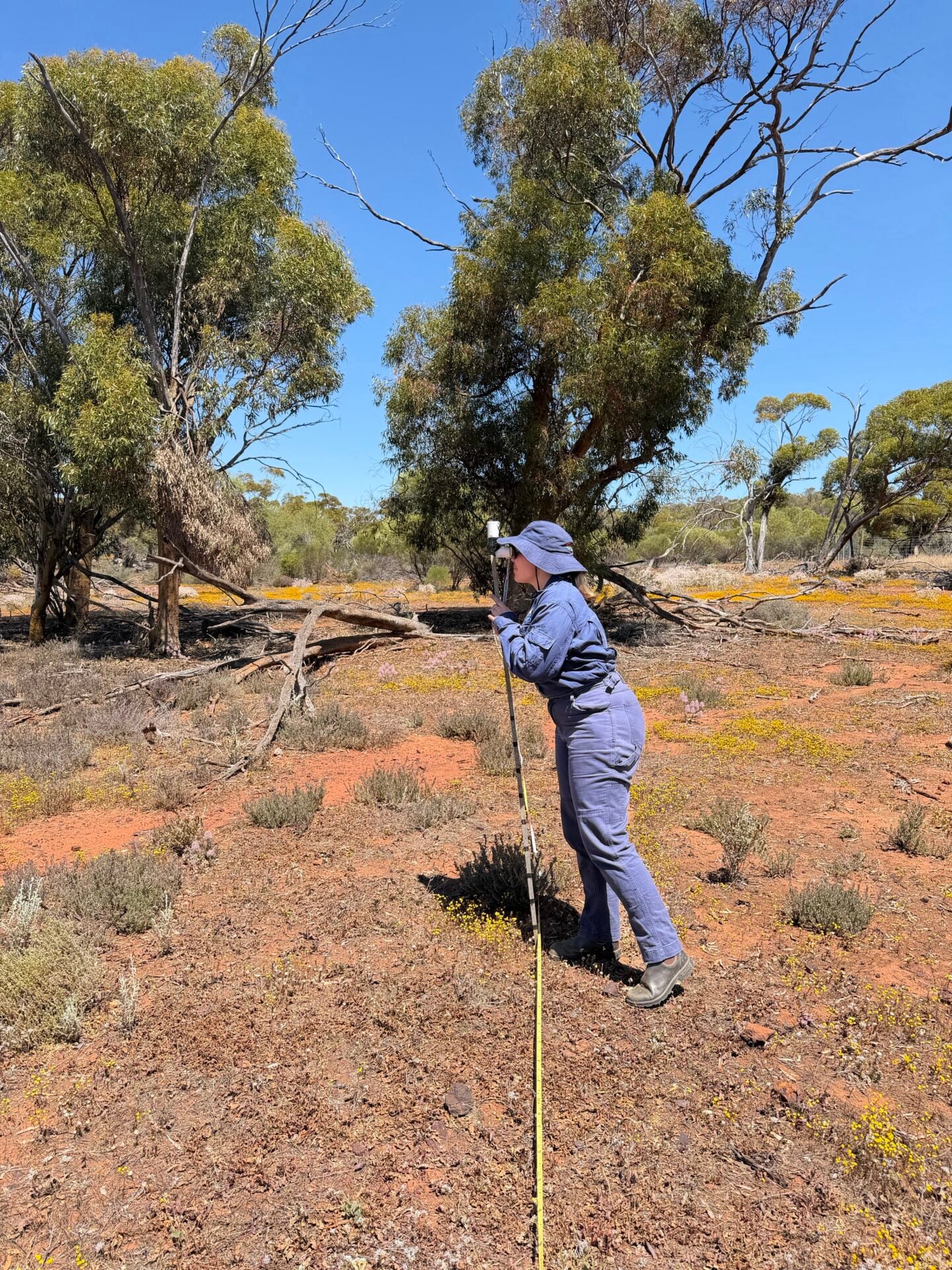
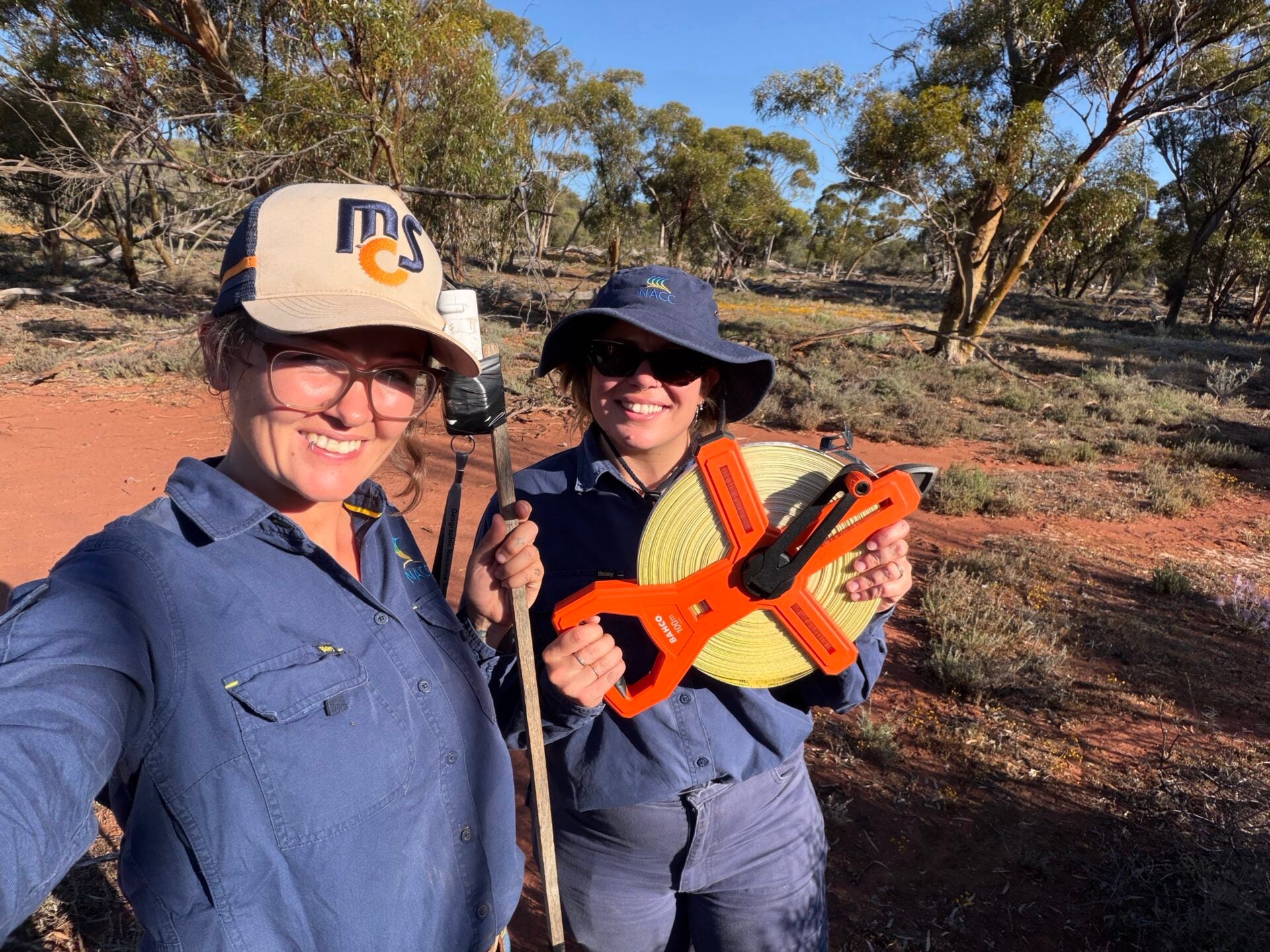
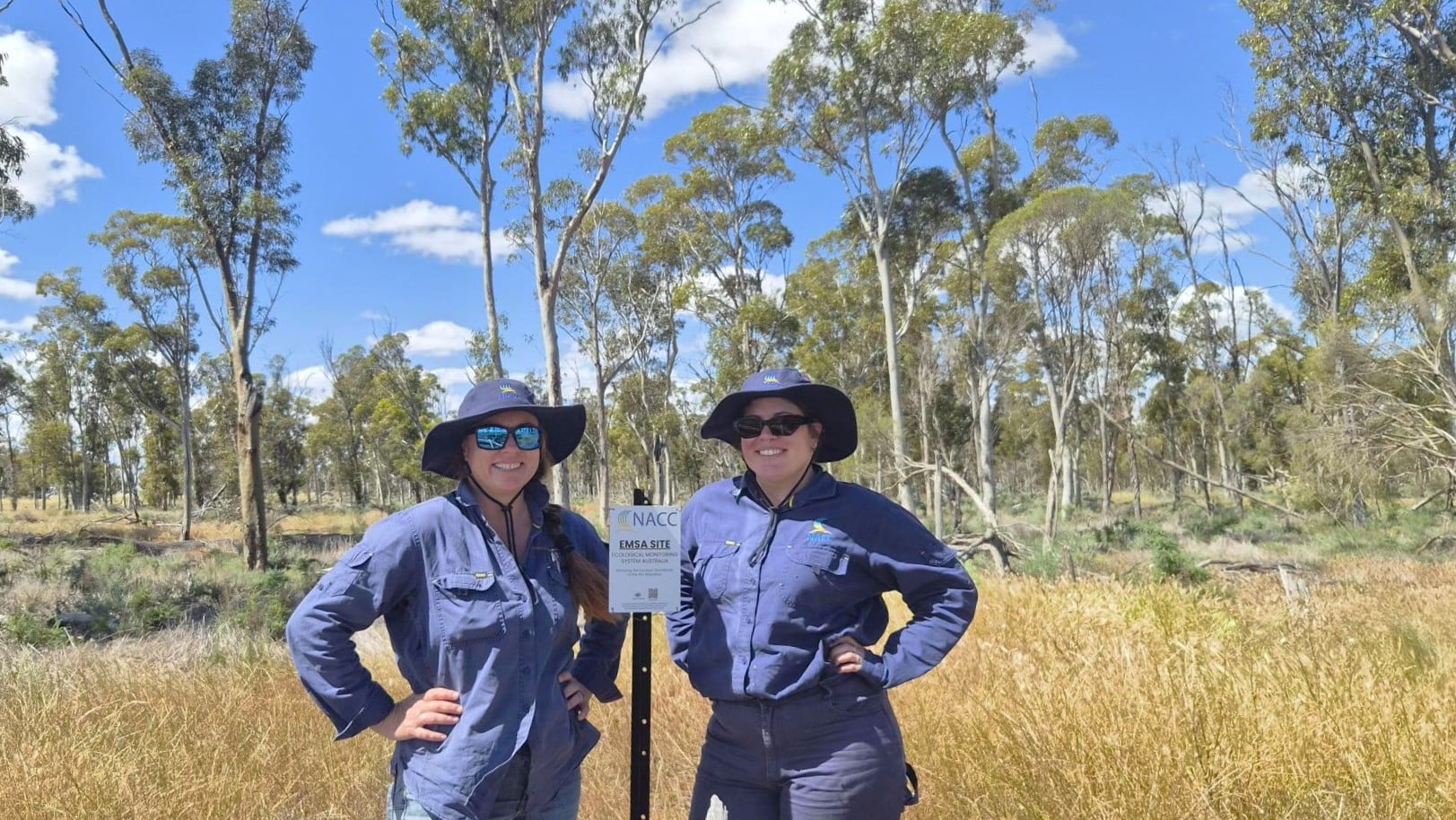
It’s been a busy few months for NACC NRM’s Biodiversity team, who have been out in the field conducting ecological surveys of eucalypt woodlands across the Northern Agricultural Region (NAR).

These surveys help build a clearer picture of how woodland ecosystems respond to disturbance and recover over time, while documenting the diverse plant communities and ecological conditions that make each site unique.

But what happens to all the information gathered in the field? Behind every restoration project is a wealth of data and NACC NRM utilises the Ecological Monitoring System Australia (EMSA), a nationally standardised platform that streamlines ecological data collection. From vegetation cover and tree condition to detailed plant surveys, the information gathered is stored in the Australian Government’s Biodiversity Data Repository, helping build a valuable record of ecosystem health over time.


This monitoring plays an important role in measuring the progress and impact of our Restoring the Eucalypt Woodlands of the WA Wheatbelt project.

Healthy woodlands, thriving biodiversity and restoration that lasts; it all starts with understanding the landscape. Every survey, sample and data point tells part of the story. By monitoring changes over time, the team can better understand how these ecosystems are faring and use that knowledge to guide restoration efforts, supporting healthier woodlands and lasting benefits for biodiversity across the Wheatbelt.

This project is jointly funded by the Australian Government Natural Heritage Trust and NACC NRM, a member of the Commonwealth Regional Delivery Partners panel. 

The post Deep in the Woodland Data appeared first on NACC.

PrevPreviousField Days, Farm Gates and a Few Good Ideas
NextAustralia’s SAFs Side by SideNext

We respectfully acknowledge the Yamatji and Noongar who are the Traditional Owners and original natural resource managers of the Northern Agricultural Region, and pay our respect to the Aboriginal Elders in the region, past, present and emerging.

cropped narvis web logo 1

About NARvis

  • Strategy Documents
  • Consultation process
  • Roles & Responsibilities
  • Federal NRM Priorities
  • State NRM Priorities
  • NAR Asset Register

Get Involved

  • Contact Us
  • Join a local NRM Group
  • Map Your Project
  • Share your project
  • Shire Profiles

Resources

  • Grant Writing Tips
  • Latest News
  • Project Case Studies
  • References

This project is supported by NACC NRM, through funding from the Australian Government

australiangov Logo Black
NACC Logo 2019 horizontal for use

© 2021-2026 NACC All rights reserved  |  Sitemap

Website By Scoop Logo

Acknowledgment of Country

We respectfully acknowledge the Yamaji and Noongar people who are the Traditional Owners and original natural resource managers of the Northern Agricultural Region and pay our respect to all of the Aboriginal Elders and leaders in the region, past, present and emerging

“Bandang jinangij ngala nyoongar boodja danjoo.” All people looking after Country together (Noongar).

“Barndi nhurra nganjungu barnagi yanayinha.” It is good that you come to our Country (Yamaji Wajarri).

Enter the site
Water On Badimaya Barna
Water On Badimaya Barna - Barbara Merritt